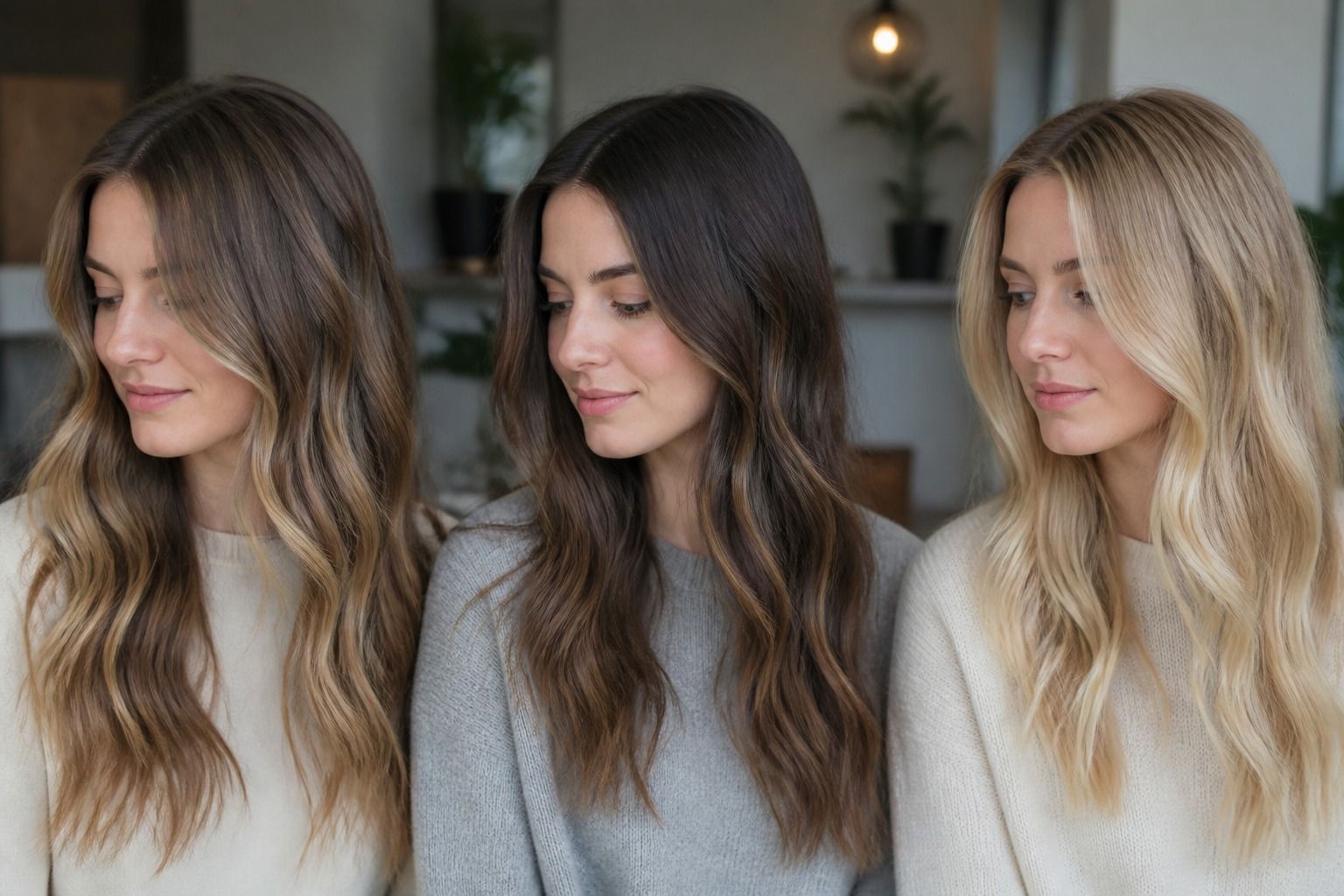
Soft Summer hair color is less about choosing the palest or coolest shade in the salon book and more about keeping the whole look calm, blended, and believable. If your coloring sits in that soft, cool-neutral place, the best hair color for Soft Summer usually has a gentle veil over it: mushroom brown instead of espresso, dark ash blonde instead of bright champagne, smoky beige instead of golden caramel. The useful question is not whether a shade is allowed, because real hair rarely fits a chart perfectly. The better question is whether the color gives your face enough depth without becoming louder than your features.
What Soft Summer means once it moves from clothes to hair
In seasonal color analysis, Soft Summer is usually described as muted, cool-neutral, and lower in contrast than the clearer winter families. That sounds simple on fabric. Hair is trickier because it has shine, texture, roots, sun exposure, and old color sitting underneath. A gray-blue sweater can be perfectly muted all day; a brunette gloss may look balanced in bathroom light and suddenly read red beside a window.
For hair, Soft Summer is best treated as a direction rather than a diagnosis. The palette points toward softened chroma, moderate depth, and undertones that lean cool or neutral-cool. This does not mean every warm molecule has to be removed. Hair without any warmth can look dusty, flat, or greenish on some people. It does mean that obvious orange, bright gold, blue-black, and highly saturated red can start to feel separate from the face, especially when the skin, eyes, and brows are naturally gentle.
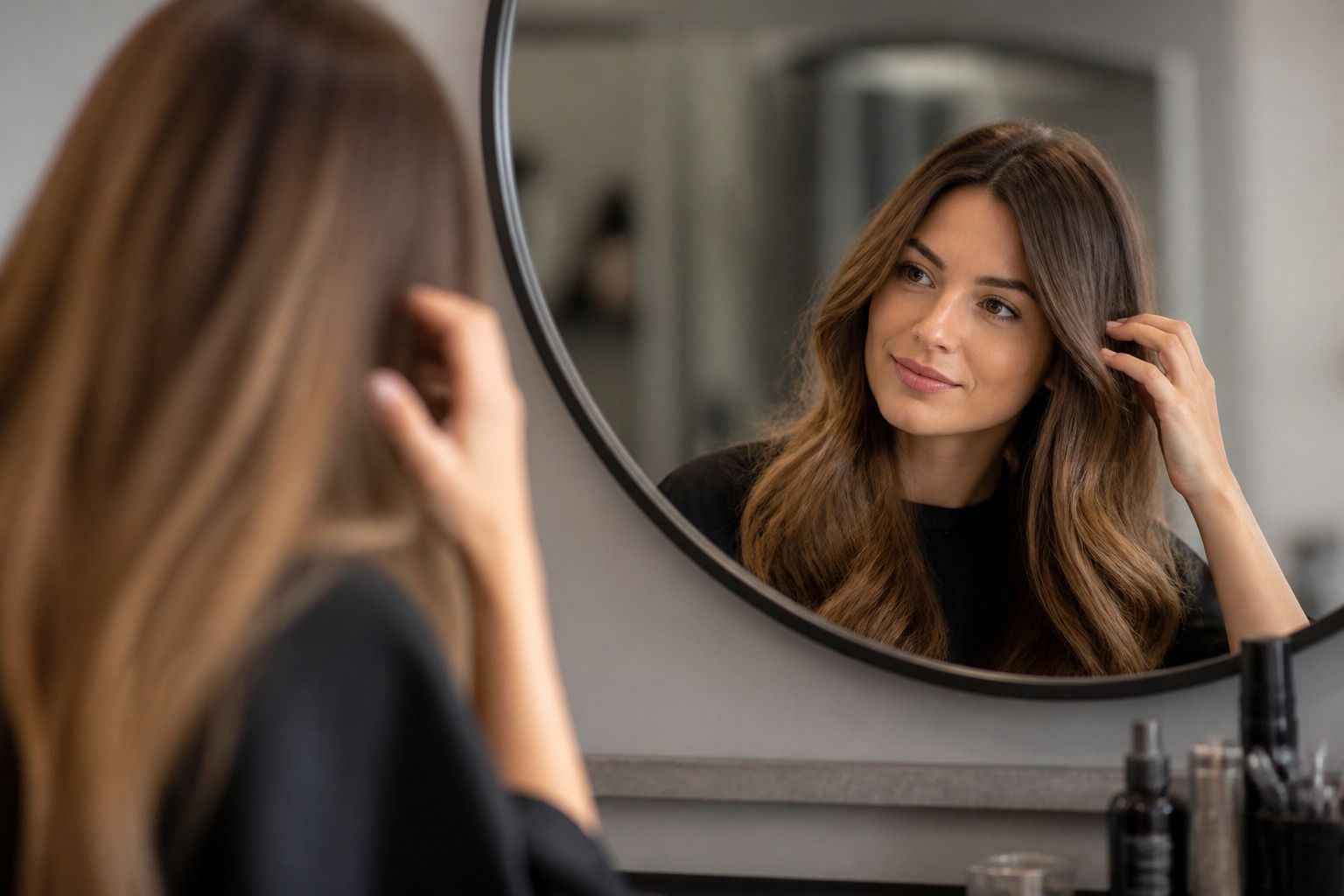
A quick mirror check helps more than a label. Pull your hair away from your face, stand near a window, and compare a clear black top with a heathered charcoal or soft navy. If the softer darks make your eyes look steadier and your skin calmer, a hair color with similar softness may be easier to wear. If your natural roots already look like they have been lightly powdered with taupe, beige, or ash, that is a useful clue for the colorist.
Depth matters more than going ashy for its own sake
One of the common mistakes with soft summer hair color is trying to solve everything with ash. A very ashy toner can mute brass, but it cannot replace depth. If the hair is lifted too light, the face may lose definition even when the undertone is technically cool. Many Soft Summer clients look better with a medium range shade that has softness built in, rather than a pale blonde pushed to the edge of silver.
Depth is the shadow that keeps the color from floating away. For brunettes, that might mean soft brunette, smoky brown, or mushroom brown with a level of darkness close to the natural root. For blondes, it might mean dark ash blonde, beige blonde, or a taupe root shadow instead of bright all-over highlights. These shades can still look refined and fresh, but they keep the brows, lashes, and eye color connected to the hair.
The practical salon test is to ask what happens at the root and at the ends after six weeks. A Soft Summer-friendly result often grows out gently, with no hard band of orange warmth and no stark line between the base and the light pieces. If the plan requires frequent toning just to keep the shade wearable, it may be too light, too warm underneath, or too dependent on a single perfect salon day.
| Shade direction | What to ask for | What to watch |
|---|---|---|
| Mushroom brown | A cool-neutral brunette with taupe or smoky beige softness | A formula that turns too gray can dull the skin rather than calm it |
| Dark ash blonde | A deeper blonde with a muted root and soft beige reflection | Too much lift can make the color look thin at the ends |
| Smoky brown | A medium brown with low red-orange visibility and gentle shine | Over-toning may create a heavy, flat finish |
| Dusty rose brown | A brunette or dark blonde base with a muted rosy glaze | Bright pink or violet pieces can become the loudest part of the look |
Why very warm, very bright color can feel separate
Soft Summer coloring is usually affected by saturation before it is affected by trend. A copper gloss may be beautiful in itself, but if it is sharp and glowing, the eye may go to the hair first and the face second. The same can happen with bright buttery blonde, cherry cola red, and black-brown dye that has a crisp, inky edge. These colors are not bad; they simply create a stronger statement than many Soft Summer features naturally support.
Warmth is the delicate part. Some warmth can be flattering because skin is alive, not a paint swatch. A muted copper lowlight, a beige blonde ribbon, or a soft rose-brown glaze can add warmth without turning the whole look golden. The problem usually starts when the warmth is clean and high-chroma: orange copper, yellow blonde, or glossy mahogany that reads almost jewel-like. Against muted eyes and soft brows, that brightness can make the complexion look more tired by comparison.
If you are tempted by a warmer change, keep the experiment small and softened. Try a demi-permanent glaze, face-framing pieces under a cooler veil, or a coppery beige lowlight rather than a full head of vivid warmth. The color should look like it belongs to your natural range, not like a separate accessory. In good daylight, you want the shade to have a quiet glow, not a neon edge.
All-over color, highlights, or a root shadow
The best hair color for Soft Summer often depends on how your natural base behaves. If your root is already a soft brown or dark blonde, an all-over demi color can be enough to refine it. A smoky brunette gloss can reduce scattered warmth, add shine, and make the haircut look more intentional without creating a dramatic before-and-after. This is a good route for someone who likes low maintenance and does not want the face to compete with the hair.
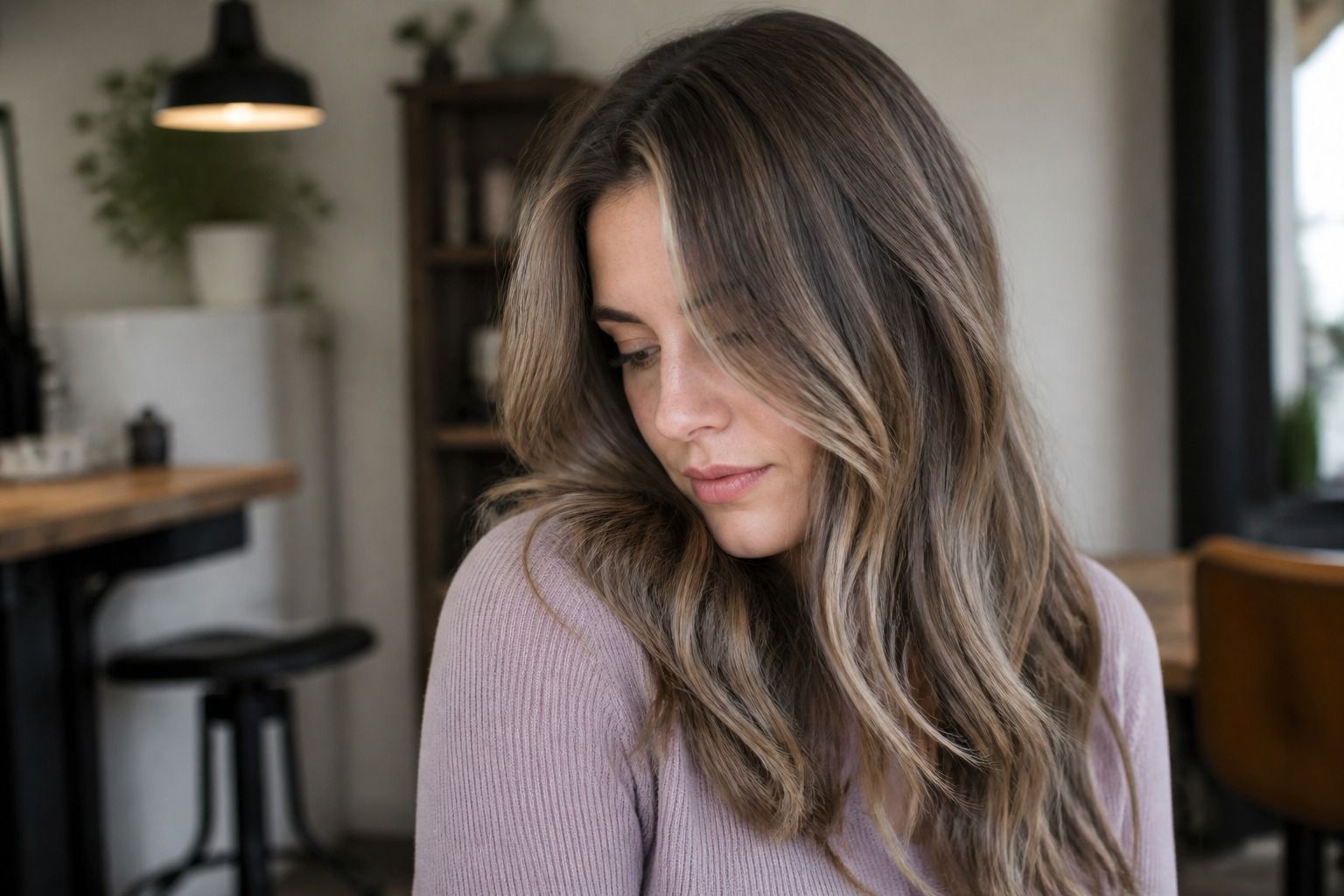
Dimensional highlights work when the contrast stays gentle. Instead of icy streaks against a dark base, think fine beige-blonde ribbons, muted ash-brown lowlights, or a soft balayage that lifts only a few levels. The highlight should not look painted on from across the room. It should appear when the hair moves, especially around the cheekbones and crown, where a little brightness can lift the face without turning into a stripe.
A root shadow is often useful for Soft Summer because it brings the color back to human scale. If the ends are lightened to beige blonde or dark ash blonde, a taupe or cool-neutral root keeps the result grounded. It also buys time between appointments. The caveat is that the shadow should be smudged, not blocked. A hard root can look severe, while a soft root makes the color look deliberately lived-in.
Soft shade ideas that still have personality
Muted does not have to mean timid. A Soft Summer palette can support elegant, interesting hair colors as long as the shade is filtered rather than loud. Mushroom brown is a strong starting point because it sits between brunette and taupe, with enough depth to frame the face. It works especially well when the cut has movement, because the color shifts from smoky brown to soft beige in different light.
For blonde, beige blonde and dark ash blonde are usually more wearable than platinum or yellow gold. A beige blonde with a cool-neutral root can look expensive without looking icy. If your natural hair is darker, ask whether the target blonde is realistic in stages. Pushing too far in one visit can expose warmth that needs constant correction, and the finished color may feel less soft once the toner fades.
For red-adjacent ideas, dusty rose, mauve brown, and muted copper are safer words than bright auburn. The goal is a subdued warmth that looks blurred into the base. On a brunette, a dusty rose glaze can look almost brown indoors and softly rosy in daylight. On a dark blonde, a muted copper-beige can add life without turning the hair orange. These shades are more sensitive to fading, so they are better when you are comfortable refreshing gloss or accepting a softer fade.
Maintenance details that preserve softness
Soft Summer hair color often fails quietly rather than dramatically. It may not look ruined, but after a few weeks the ends become too gold, the brunette turns reddish, or the blonde starts to look hollow. The maintenance plan should be part of the color choice, not an afterthought. If you swim often, heat-style daily, or wash with very warm water, delicate cool-neutral tones will need more support.
Ask your colorist what the shade is expected to fade toward. A smoky brown that fades slightly beige is easier than one that reveals strong orange. A beige blonde that fades creamy may be fine; one that fades yellow may need a violet or blue-violet routine. Use color-depositing products carefully, because too much ash can make soft hair look matte and older than it needs to. Gentle shine is still important.
At home, preserve softness with small habits: a sulfate-free or color-safe wash if your hair tolerates it, lower heat when styling, and a gloss refresh before the color looks tired rather than after. Bring photos taken in normal daylight to appointments, not only studio images. The right Soft Summer shade should still look balanced in a lift, at a desk, and outside on a cloudy afternoon. That is the real test: not a perfect seasonal rule, but a color that keeps returning attention to your face.