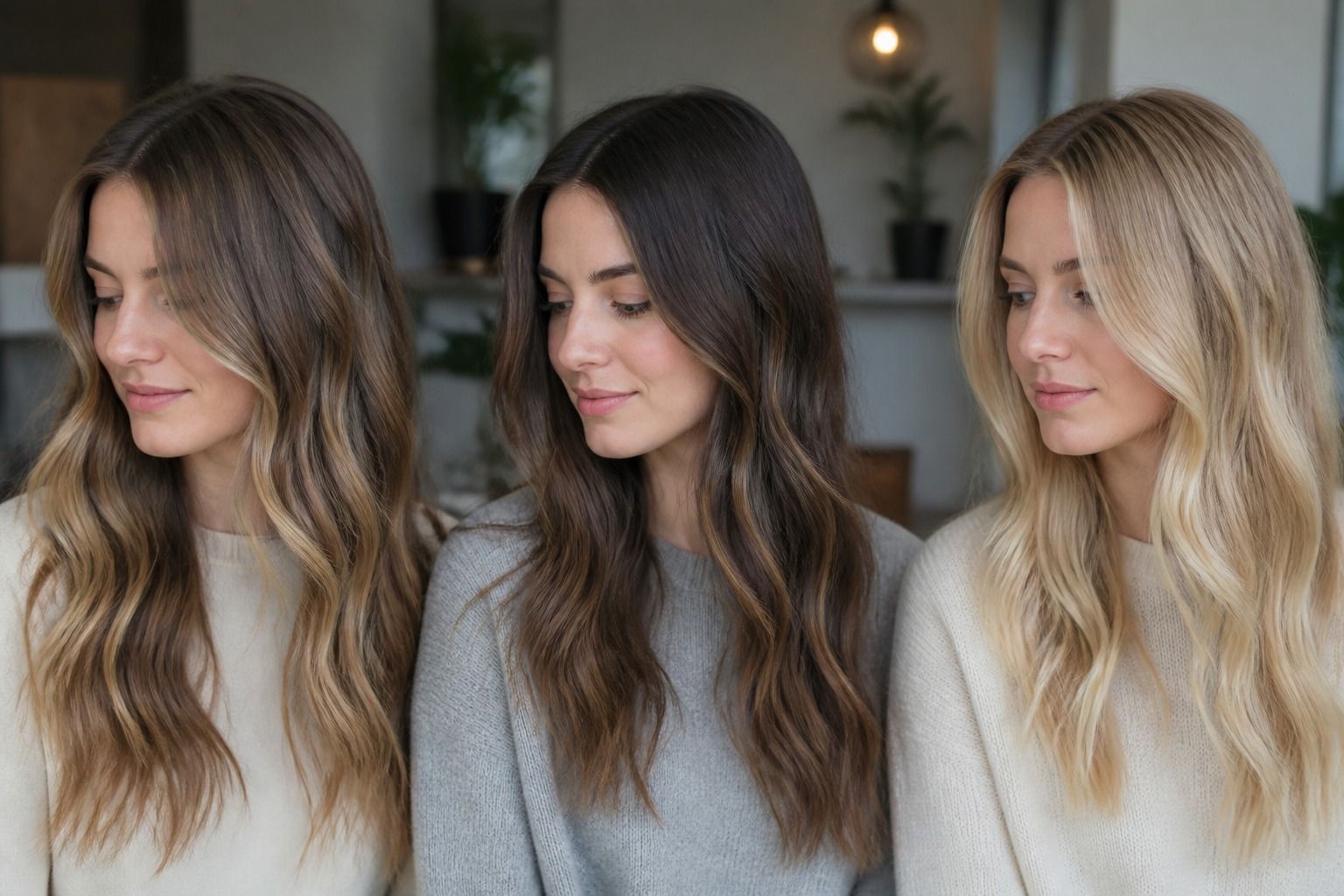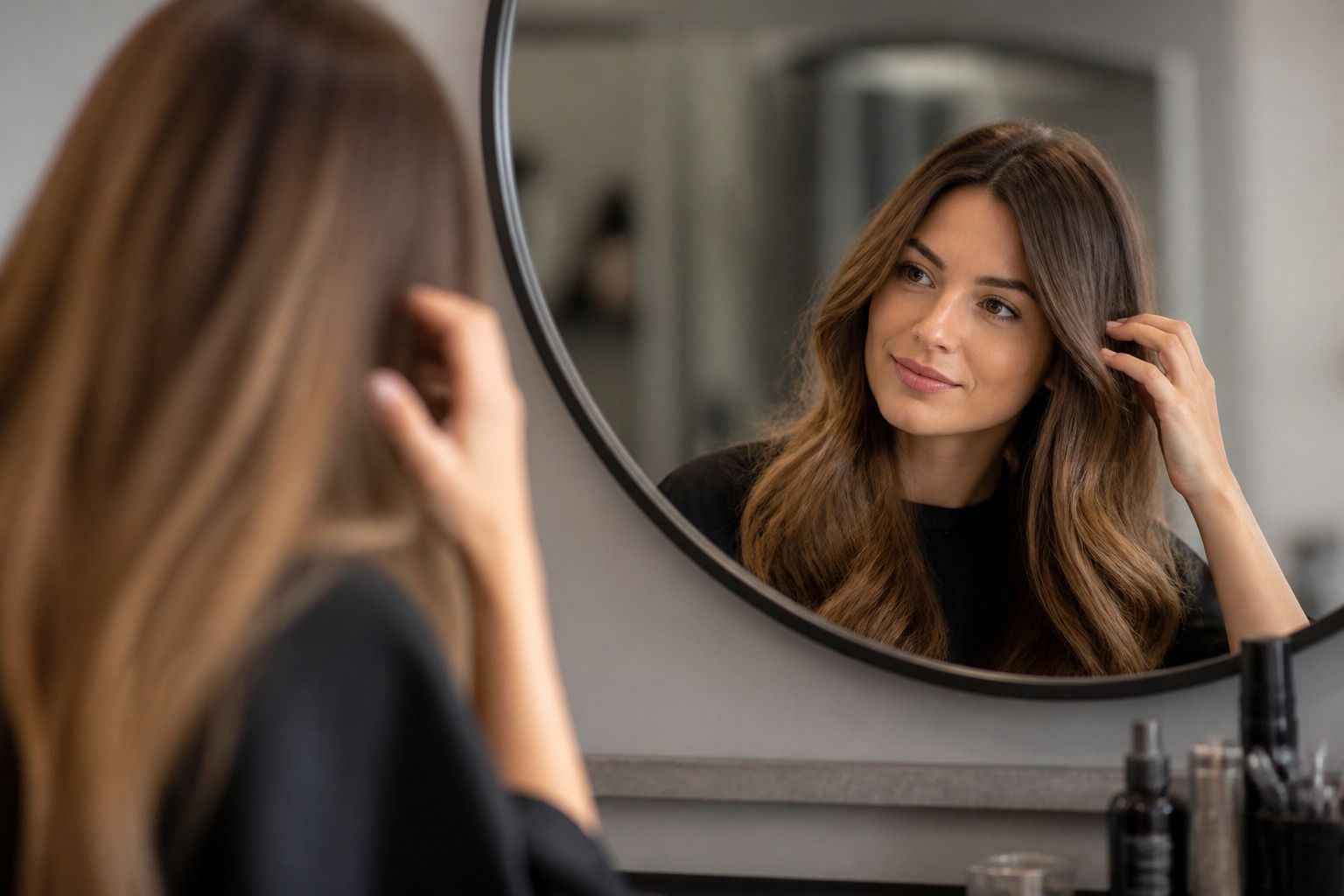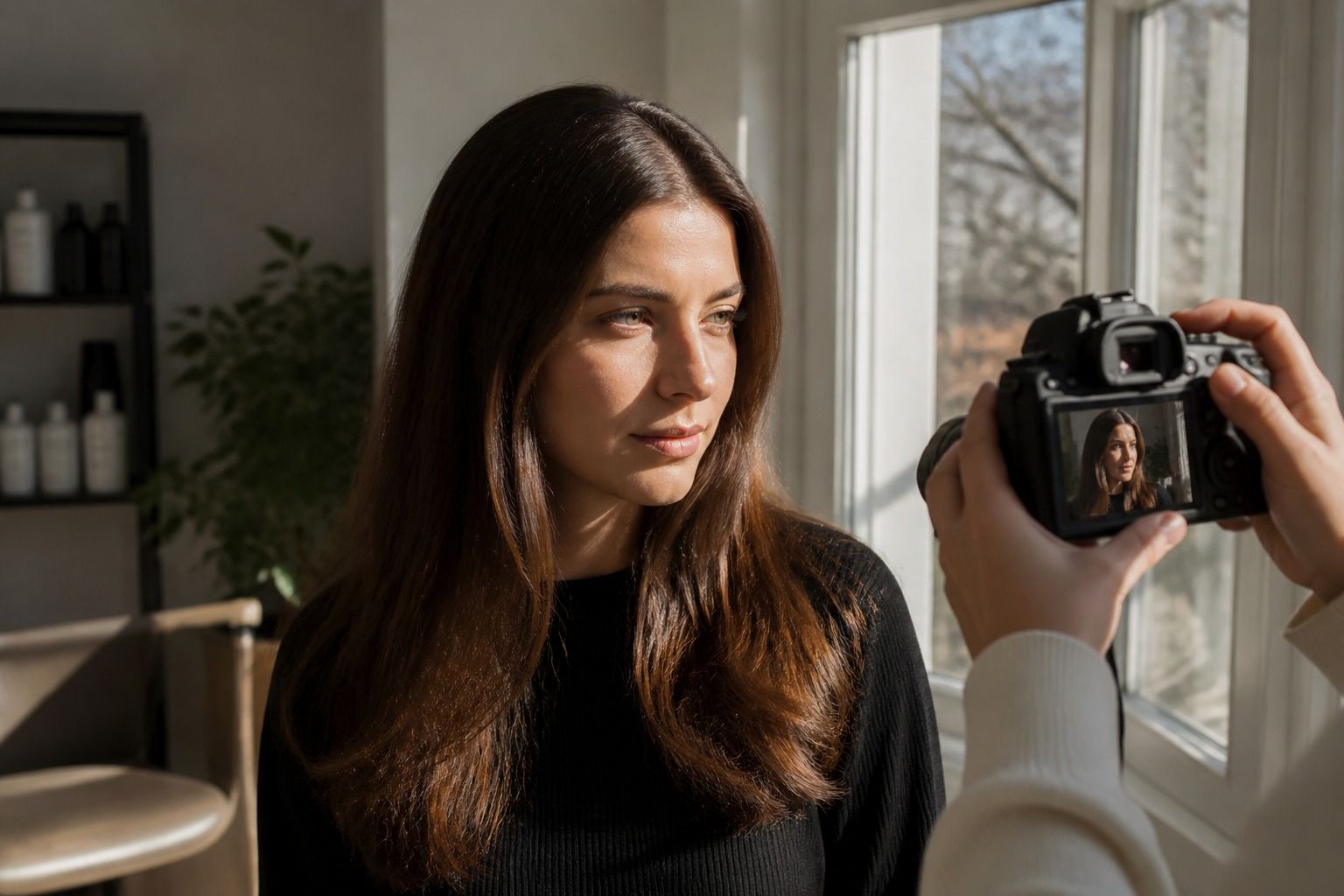
A careful hair colour analysis often begins with a photo, a mirror, or a slightly uneasy feeling that a shade looked perfect in the salon and strangely heavy at home. Natural light does not give one magic answer, but it does remove many of the tricks that bathroom bulbs, phone cameras, fresh toner, and glossy styling products add to the picture. If you are trying to judge warmth, depth, contrast, or whether your hair is fighting your skin, the best evidence usually comes from several ordinary moments: a clean face near a window, roots seen in soft daylight, ends checked away from direct sun, and photos that have not been brightened into a different person.
Why lighting changes a color analysis result
Hair is reflective. That sounds obvious until you try to decide whether a brown is softly neutral or secretly orange. A smooth blowout near a bright window can throw back gold from the room, green from garden light, or blue from a shaded wall. The same strand may look cooler in a north-facing room and warmer by a cream curtain. A hair colour analysis has to separate the shade itself from the colour of the light sitting on top of it.
Natural light is useful because it is broader and less opinionated than most indoor bulbs. Overhead LEDs often exaggerate shine and flatten skin. Bathroom light can make the face look grey while turning hair brassy, which is a miserable combination for judging a new colour. Direct sun creates another problem. It makes warmth shout. Even ash brown can flash copper in hard afternoon sun, especially through dyed ends or porous pieces around the face.
The better test is soft daylight rather than dramatic daylight. Think of standing a few steps back from a window on a bright overcast morning, with the light hitting the face rather than the back of the head. In that setting, the question becomes calmer: does the hair support the complexion, or does it pull attention away from the eyes and skin? That is more useful than asking whether the hair can produce one beautiful golden flare in a sunny photo.
The most useful setup for a home photo
A good home photo does not need a studio mood. It needs plain conditions. Stand near a window, face the light, and keep the phone at eye level. A north-facing window is often kind because it gives soft, steady light without the yellow glare of late sun. If the only available window is bright and direct, step sideways until the shine on the hair softens. The aim is to see colour, not sparkle.
Remove the easy distortions first. Heavy bronzer, a strong lip, a coloured top, and warm bathroom walls all push the result around. For a cleaner hair color analysis, use a neutral neckline if you can: white, soft grey, oatmeal, charcoal, or another quiet colour that does not bounce strongly into the hair. Pull the hair forward on both sides if length allows, then take one photo with the hair loose and one with it tied back enough to show the roots.
The phone matters, but less than the setup. Wipe the lens. Turn off beauty filters. Avoid portrait mode if it softens the hairline or changes skin texture. Tap the face on the screen before taking the photo so the camera exposes for skin rather than a bright window behind you. If the photo looks oddly blue or orange compared with the room, take another one. Camera white balance is helpful when it behaves, but it often tries to make every room look cheerful.
How to compare roots, mid-lengths, and ends
The most honest colour on the head is often near the roots. Roots show natural depth, the real relationship between hair and brows, and the contrast level around the face. They also reveal whether a dye job is asking too much maintenance from you. If the roots look calm and the ends look noisy, the problem may be old colour rather than the full shade family.
Mid-lengths tell a different story. They carry styling residue, sun exposure, toner history, and the memory of previous colour services. Ends are usually the least reliable witness. Porous blonde ends grab ash and violet quickly, then drop them unevenly. Brunette ends can look warmer because old pigment resurfaces, especially after washing. Wet hair makes everything darker and glossier, so use dry hair for judgement unless you are specifically checking colour deposit after a treatment.
When comparing sections, hold a few pieces near the cheek and collarbone. The face-framing strands matter most because they sit next to the skin all day. If the roots feel balanced but the front pieces look yellow, rusty, or too dark, the fix may be a small gloss, money-piece adjustment, or softer face frame rather than a full colour correction. That distinction saves money and protects the hair.
| What you are checking | Best light | What to ignore |
|---|---|---|
| Natural root depth | Soft window light, hair dry, no flash | One harsh line of regrowth under overhead light |
| Warmth in dyed ends | Bright shade or overcast daylight | Golden flare from direct sun on glossy pieces |
| Face-framing colour | Phone at eye level, face toward the window | Colour bounce from a red, green, or orange top |
| Overall contrast | Hair loose, then tied back in the same spot | Filtered selfies that smooth brows and skin |
Common camera and bathroom-light traps
Bathroom light is the classic trap because it feels convenient and familiar. You are close to the mirror, the hair is freshly styled, and the room is bright enough to see every detail. The trouble is that many bathrooms combine overhead LEDs, reflective tile, warm walls, and a mirror that doubles the light from odd angles. Skin can look flat while hair looks sharper and warmer than it would outside. A shade that seems too orange at midnight may look perfectly beige near a window the next morning.
Phones add their own little opinions. Auto white balance may cool down a warm room, warm up a cool room, or change between two shots taken seconds apart. Front cameras can brighten the face and soften the hairline. Some apps quietly apply skin smoothing even when the filter looks off. Screens also lie. A photo edited on a warm phone display may look greenish on a laptop and peachy on someone else's screen.
There is also the fresh-colour problem. Right after a salon appointment, toner, gloss, and styling products can make the surface look expensive and slightly unreal. After two or three washes, the colour may settle into its actual life. That does not mean the salon result was fake. It means analysis should include the version of the hair you will live with on a Tuesday morning, not only the polished version under perfect lighting.
How to read undertone without over-reading it
Hair undertone is useful, but it is easy to become too forensic. A single copper reflection does not make someone warm. A single ashy photo does not prove coolness. Look for patterns across several photos. Does the hair repeatedly cast yellow against the skin? Do the eyes look clearer when the hair is slightly cooler? Does a deep brunette make the face look sculpted, or does it create a shadow under the eyes?
Seasonal colour language can help here if it stays practical. A softer palette often struggles when hair is too dark or too cleanly black, because the contrast arrives before the person does. A warmer palette may look tired when hair is cooled to a smoky ash that fights the natural warmth in brows and skin. A high-contrast palette can usually hold stronger depth, but even then, the wrong undertone can make the colour look separate from the face.
Try to judge the relationship, not the label. If a neutral brown makes skin look even and eyes sharper, it does not matter whether someone online would call it mushroom, mocha, or soft brunette. If a fashionable beige blonde looks chic in the photo but makes lips and under-eyes look drained in daylight, the name has already done its job and can leave the room.
Making a shade decision with imperfect evidence
Real decisions rarely arrive with perfect evidence. You may have one useful window, a phone that brightens everything, roots at an awkward stage, and ends carrying three old appointments. That is still enough to make a better choice than guessing from a salon swatch. Gather three daylight photos on different days if possible: hair down, hair pulled back, and hair next to a plain neckline. Keep the angle similar. The comparison matters more than any single heroic shot.
Then choose the smallest confident move. If the hair looks too warm only in the ends, ask about toning or trimming before changing the root formula. If the depth feels heavy around the face, consider a softer face frame, a demi gloss, or lifting just one level rather than chasing a completely new identity. If every photo tells a different story, delay the permanent change and test with a temporary gloss, a wig photo, or a consultation built around natural-light images.
The strongest hair colour analysis is usually modest in its claims. It says, this light is more reliable than that one; these roots are calmer than those ends; this shade supports the skin more often than it competes with it. That is enough. Hair colour lives in rooms, cars, offices, cloudy mornings, and quick phone photos. A good shade does not have to win every lighting condition, but it should still look like it belongs to you when the flattering light is gone.