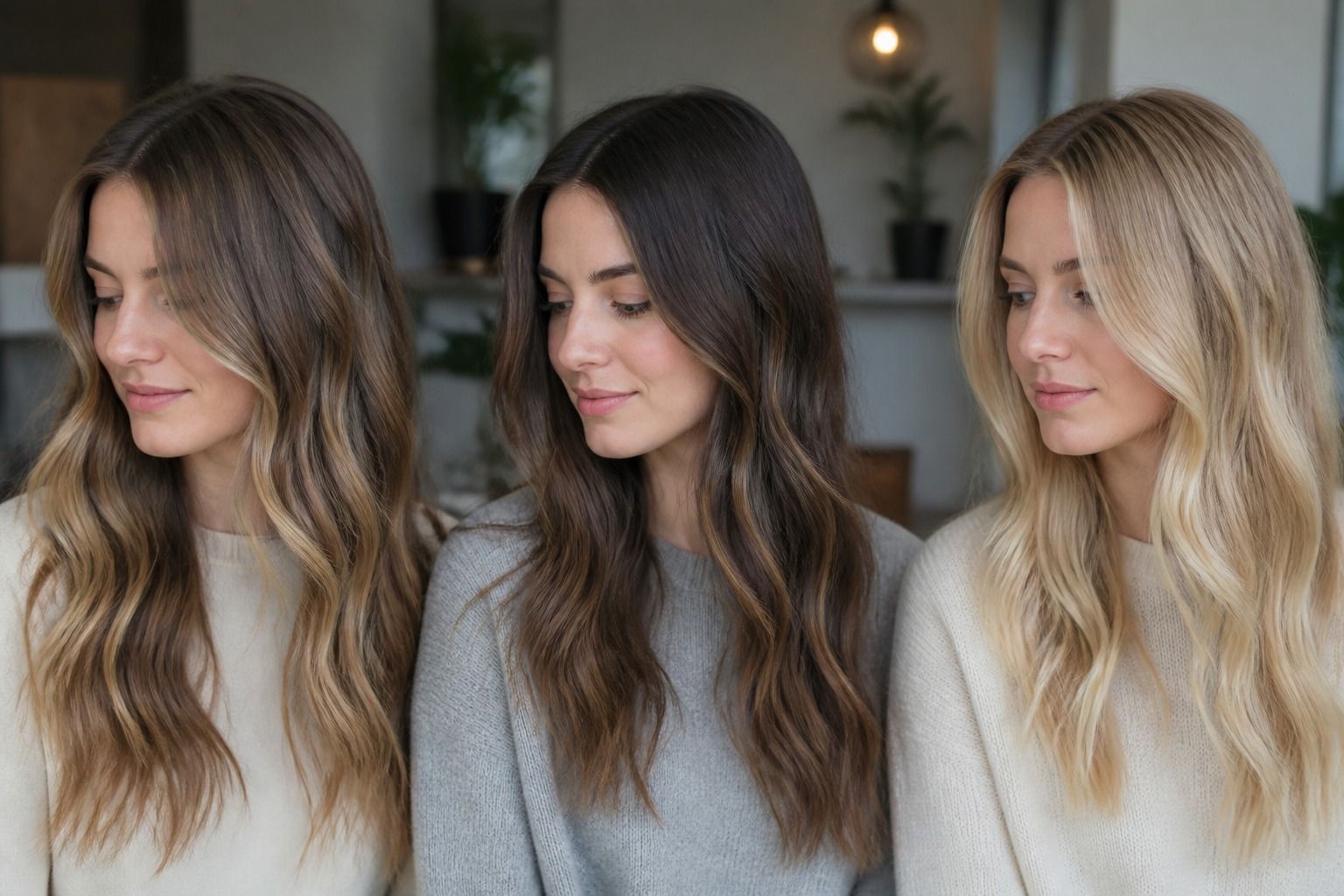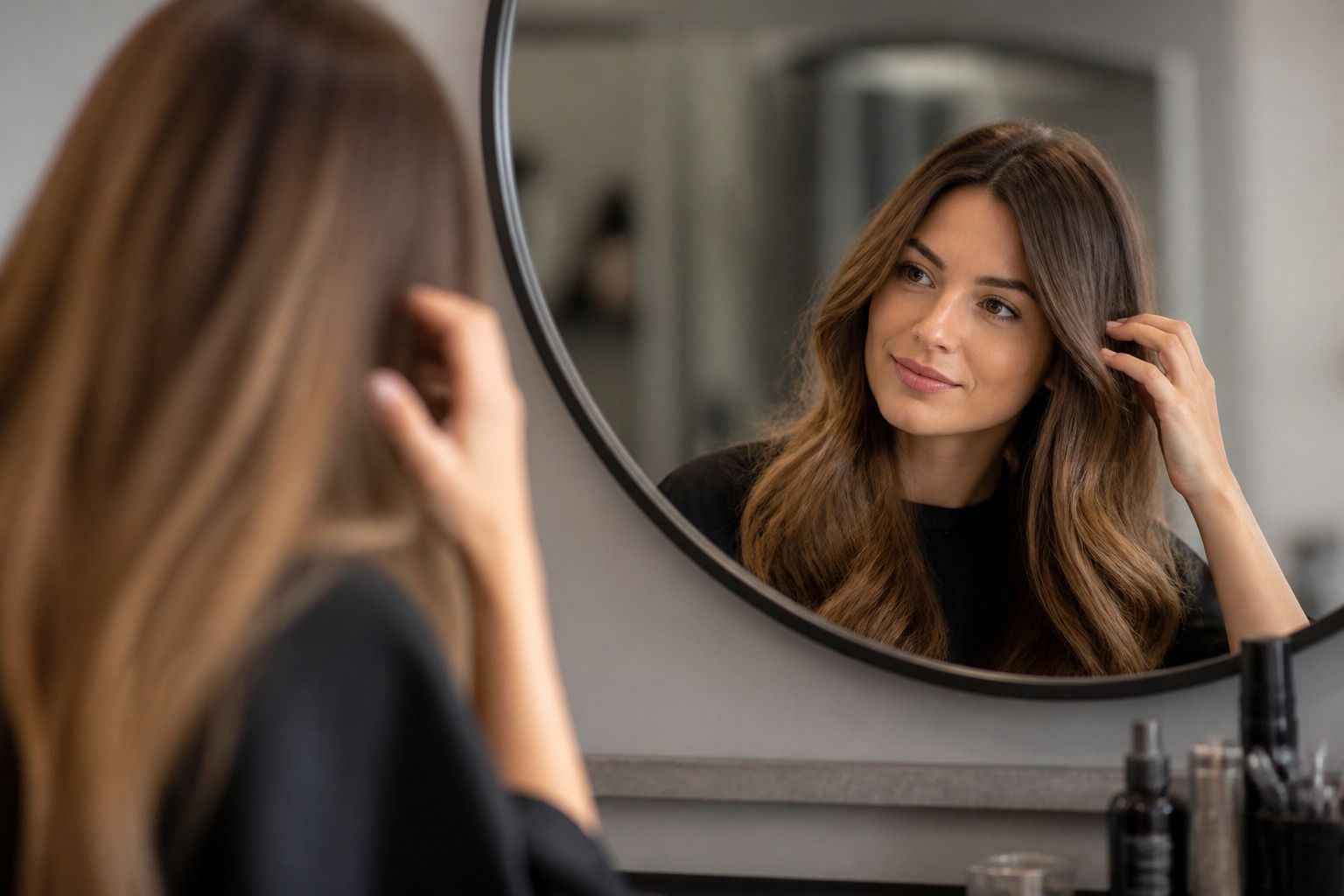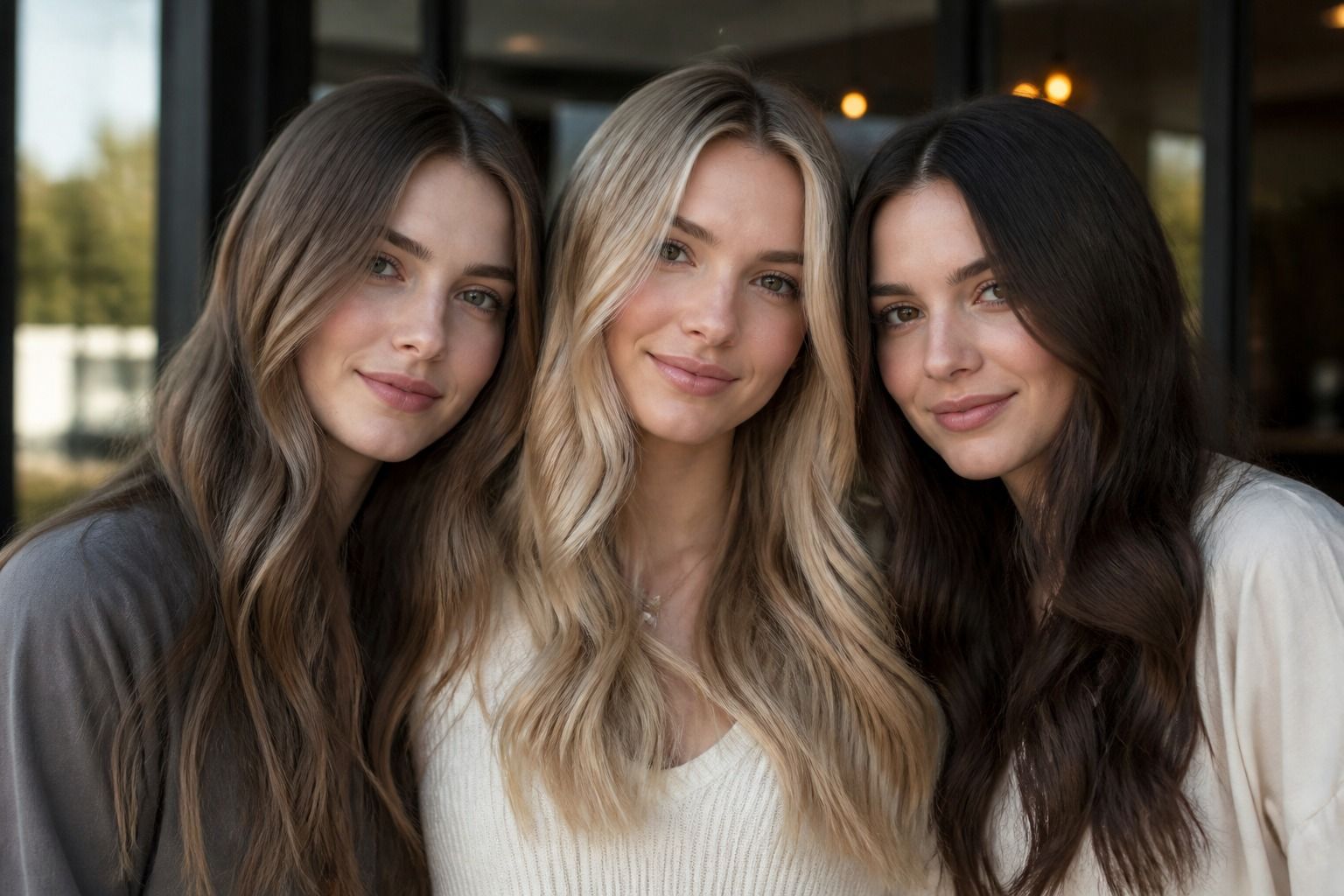
Cool Summer hair color works best when it looks considered rather than loudly corrected. The face usually has a gentle, cool clarity: muted skin, soft eye contrast, and features that can be overwhelmed by golden warmth or inky depth. The right shade does not need to announce itself as ash. It should make the skin look calmer, the eyes a little clearer, and the whole image more expensive in daylight, office light, and the slightly unforgiving mirror by the bathroom sink.
What makes a cool shade still look natural
A natural-looking cool summer hair color is rarely the coldest color on the swatch ring. The most flattering result usually sits between cool and soft: taupe brown instead of flat grey brown, pearl blonde instead of silver, cool beige instead of yellow beige, and soft espresso instead of black coffee. The difference is small on paper and obvious on a face. When the shade has no softness, it can read dusty or severe. When it has too much warmth, the complexion can look peachy in the wrong way, even if the color itself is beautiful.
The easiest salon check is to compare the new shade against the brows and the whites of the eyes. Cool Summer coloring often has brows that are ashy, smoky, or neutral rather than caramel. If the hair suddenly becomes warmer than the brows, the face may look a little separated from the color. If the hair becomes much darker than the brows, the eye area can look tired unless the person naturally has higher contrast. A good colorist will look at the whole frame, not just the hair under a ring light.
Natural also means believable maintenance. A soft cool brunette with delicate face-framing pieces can grow out gracefully for months. A bright ash blonde on naturally dark hair may look impressive for two weeks, then start showing warmth at the root and dullness through the ends. For Cool Summer, restraint is often the luxury move. The color should feel like a polished version of the person, not a correction project that needs purple shampoo every other wash.
How to choose between taupe, ash, and beige
Taupe, ash, and beige are often used loosely, but they create different moods. Taupe is the most forgiving for many Cool Summers because it mixes brown, grey, and a little softness. It is excellent when the goal is brunette color without red shine. Ash is cooler and cleaner; it can be beautiful on someone with very cool skin and blue, grey, or soft green eyes, but it can also look chalky if pushed too far. Beige is the gentle bridge. Cool beige blonde or beige brown keeps the result wearable when pure ash feels too stark.
| Shade family | Best use | Watch for |
|---|---|---|
| Taupe brown | Soft brunette depth, especially with muted brows and low to medium contrast | Can turn flat if the formula has no dimension or gloss |
| Ash blonde or ash brown | Cooling visible orange or gold when the skin clearly rejects warmth | Can look grey, dry, or older if the hair is porous |
| Cool beige | Blonde or light brown results that need softness more than drama | Can drift warm after washing if the toner is too gentle |
| Soft espresso | A brunette option for stronger Cool Summers who still need a cool base | Can overpower pale features if it is too close to black |
If you are choosing at home from photos, cover the clothing and focus on the face. A shade is probably in the right direction when the jawline looks smoother and the eyes come forward without extra makeup. It is probably too warm when the skin looks suddenly flushed, sallow, or uneven. It is probably too dark when the hair becomes the first thing you notice and the face seems to retreat behind it.
Why contrast matters more than a single color label
Cool Summer is not one face. Some people in this family are pale with light ash blonde hair and blue eyes; others are medium brunettes with smoky eyes and quiet depth. That is why the label cool summer hair colors is useful, but not enough. A pearl blonde and a soft espresso can both belong in the palette, yet they do very different work. The deciding factor is contrast: how much difference already exists between your skin, hair, brows, and eyes.
Low-contrast Cool Summers usually look best when the hair moves only one or two levels away from the natural base. Their strongest colors are soft mushroom brown, dark blonde, cool beige, pearl, and gentle taupe. High contrast techniques, such as chunky highlights or a very dark root melt, can make the face look smaller and the hair look separate. The color may photograph well from behind and still feel wrong in a conversation.
Medium-contrast Cool Summers can take more depth, especially around the root. Soft espresso, cool chocolate without red, and smoky brown balayage can make the eyes look clearer. The key is to avoid a hard outline. If the ends are too bright or the root is too dark, the shape becomes graphic, which belongs more naturally to Winter coloring than Summer. A muted shadow root, fine ribbons of brightness, and a cool gloss usually serve the face better.
Dimensional techniques that do not overpower the face
Dimension is helpful when it is quiet. A low-contrast balayage with fine, cool beige pieces can keep brunette hair from looking heavy while still respecting the soft palette. Babylights work well when they are close together and not too pale. The goal is not beachy brightness; it is movement. On Cool Summer coloring, obvious golden ribbons can look disconnected, especially near the cheeks where warmth reflects directly onto the skin.
Face-framing pieces need extra caution. A bright money piece can be tempting because it gives instant lift, but it also creates a sharp vertical line beside the face. For many Cool Summers, a softer veil around the front is more flattering: pearl beige on blondes, mushroom blonde on dark blondes, and cool beige brown on brunettes. It should brighten the eye area without making the rest of the hair look dull by comparison.
Grey blending can also be elegant in this palette. Instead of covering every silver strand with dense brown, a colorist can soften the base and let cool highlights connect with natural grey. This is especially good when the skin has become more delicate with age and heavy permanent color starts to look harsh. The caveat is condition. Cool tones show dryness quickly, so gloss, bond care, and a clean cut matter as much as the formula.
How the color changes after the first few washes
The first salon photo is not the whole story. Cool pigments are fragile, and porous ends can release them quickly. After three to six washes, ash may soften into beige, beige may reveal gold, and brunette formulas may expose red or orange underneath. This does not mean the color was wrong, but it does mean the plan should include the fade pattern. A beautiful cool summer hair color is one that still looks intentional on week four, not only under the salon lights.
For blondes, the practical question is whether the shade fades pearly or yellow. A violet or blue-violet shampoo can help, but it should not become a daily punishment. Over-toning can make blonde hair look smoky and dry, especially on fine hair. For brunettes, the question is whether warmth appears at the root, through the midlengths, or only on older ends. Those are different problems. Roots may need a cooler base formula; ends may need porosity treatment before more toner.
Ask for a maintenance rhythm before committing. Some Cool Summer shades are low effort: taupe brown gloss every eight to ten weeks, gentle root blending, and a color-safe shampoo. Others need stricter upkeep: pale pearl blonde, heavy lightening, or very cool ash on naturally warm hair. If you dislike frequent salon visits, choose a shade that can fade slightly neutral and still flatter you. A color that only works when perfectly toned is not practical beauty; it is a subscription.
The safest way to test a new Cool Summer direction
The safest test is not a dramatic before-and-after. Start with a small shift that answers one question. If your brunette color feels red, test a taupe gloss. If your blonde feels yellow, try a cooler beige toner rather than jumping straight to silver. If your natural color feels dull, add fine low-contrast lights instead of lifting the whole head. Each move should show whether coolness, depth, or dimension is the missing piece.
Bring references that show the whole person, not only a crop of hair. A close-up of a glossy ash brunette may hide heavy makeup, filters, or lighting that makes the shade look cooler than it is. Better references show skin, brows, eyes, and the level of contrast. Tell the colorist what you do not want as clearly as what you want: no red reflection, no stripy highlights, no blackened root, no icy blonde that turns grey against the skin.
When the result is right, it usually feels almost quiet at first. The hair does not fight the face. Blue eyes look a little cleaner, grey-green eyes look more defined, and muted skin seems smoother without extra bronzer. That is the real promise of cool summer hair colors: not drama, but balance. The best shade gives the impression that your natural coloring has been edited with a steady hand.