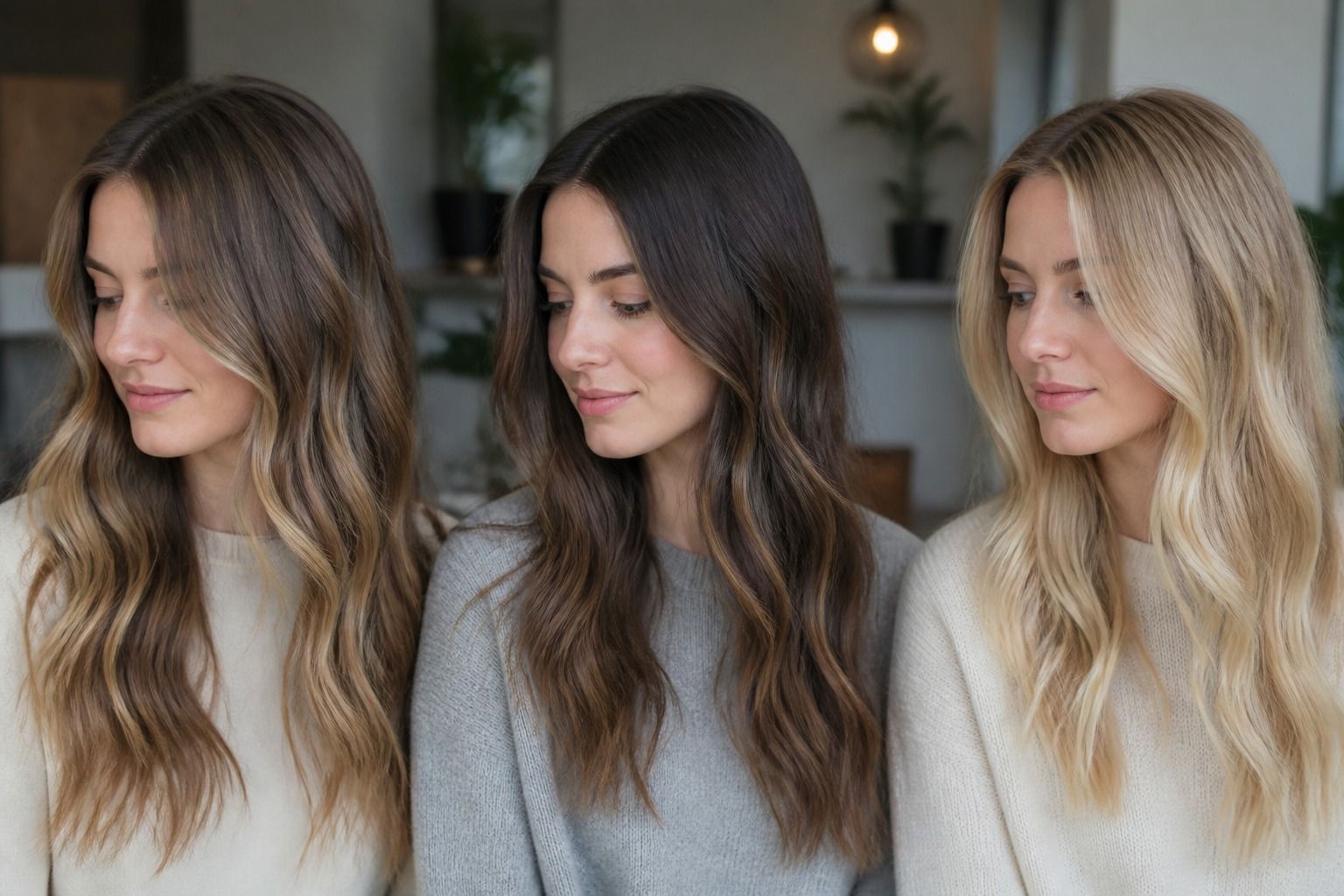
Cool Summer hair color is less about finding the iciest dye on the shelf and more about keeping the whole look calm, cool, and softly blended. The best shades tend to sit in a narrow, elegant middle ground: not golden, not inky, not too bright, and not so ashy that the face starts to look tired. If your coloring is cool and low contrast, the right hair shade should feel like it belongs beside your skin, eyes, and brows instead of arriving first in the room.
Cool Summer is not the same as simply choosing ash
The first trap is assuming that any box marked ash will automatically suit a Cool Summer. Ash can help, but it is only one tool. A Cool Summer palette is muted as well as cool, so the shade needs a softened finish. A flat blue-gray brown may technically be cool, yet it can drain the complexion if it has no gentle dimension. On the other hand, a neutral brown with a beige-cool gloss can look more harmonious than a dramatic silver ash that photographs well under salon lights and disappoints in daylight.
A useful check is to compare the new shade with your natural brow and eye contrast. Cool Summer coloring usually looks refined when the hair is close enough to the brows that the face still reads as one soft composition. If the hair becomes much darker than the brows, the result can feel severe. If it becomes much lighter without enough root softness, the skin can look pinker or more transparent than intended. The goal is not to erase color; it is to keep the temperature cool while letting the features stay gentle.
The safest depth usually sits in the middle
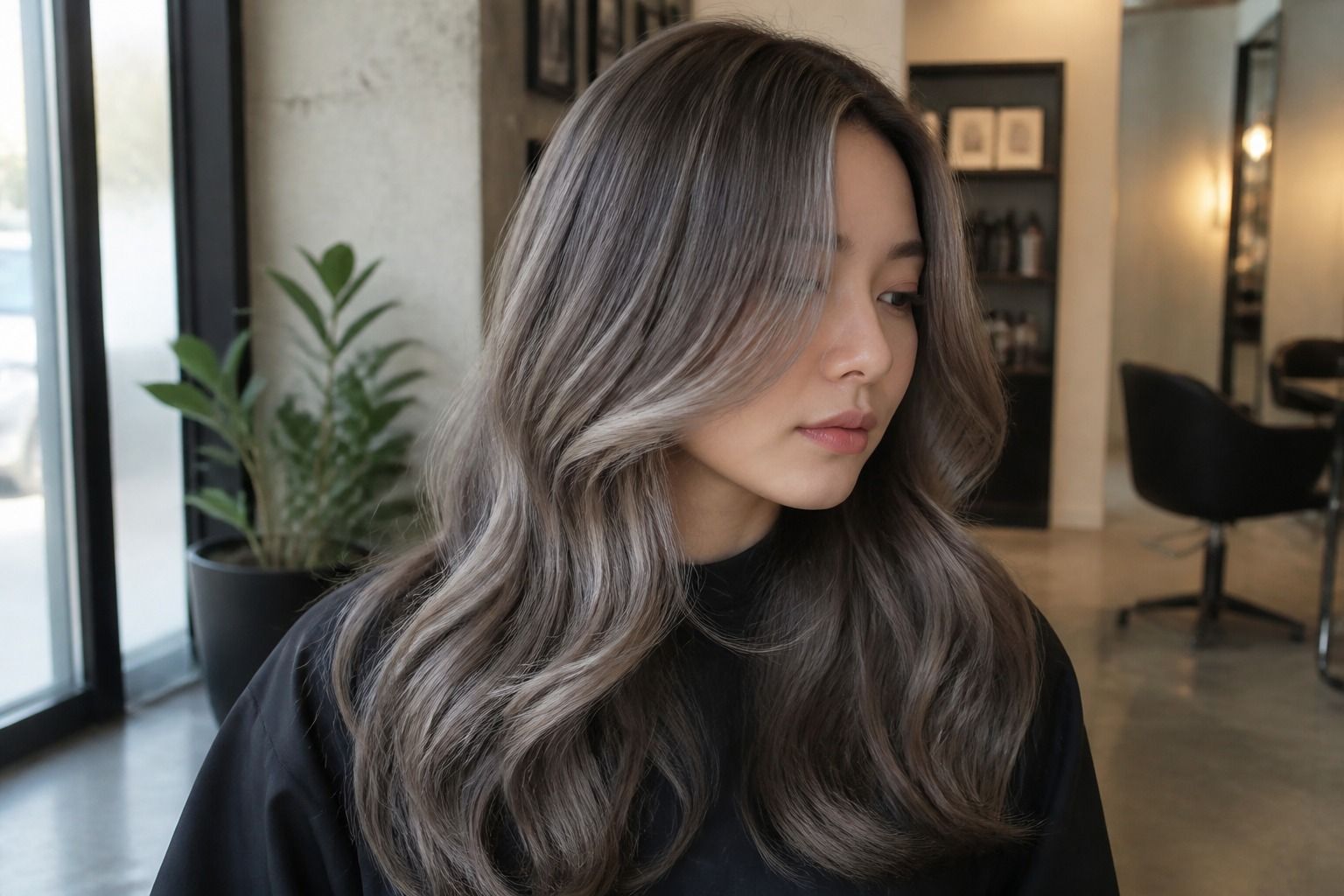
Many Cool Summers look best when the hair depth stays between light brown, dark blonde, and medium brunette. This is where ash brown, mushroom blonde, cool beige brown, and soft taupe brunette earn their place. They give enough presence to frame the face without the hard outline of jet black or the sunny lift of honey blonde. The shade should have a misted quality, as if the warmth has been filtered out rather than painted over with gray.
If your natural hair is already medium brown, a small tonal correction may do more than a dramatic color change. A cool brunette gloss, a demi-permanent ash-brown veil, or fine smoky highlights can shift the whole look without creating a visible grow-out line. If your natural hair is dark blonde, mushroom blonde can be beautiful when it stays beige-taupe instead of sliding into greenish gray. The practical question is not whether the shade is fashionable. It is whether the depth lets your eyes and skin stay balanced when you are wearing no makeup in ordinary bathroom light.
| Direction | Best Cool Summer version | Watch for |
|---|---|---|
| Ash brown | Soft medium brown with a cool beige or smoky cast | Too much blue-gray pigment can make the hair look flat |
| Mushroom blonde | Taupe blonde with muted roots and low contrast ribbons | Over-toning can turn the finish dull or slightly green |
| Soft black | Charcoal brown or black-brown with a softened edge | True blue-black can overpower light brows and pale skin |
| Highlights | Smoky beige, cool pearl, or muted ash ribbons | Chunky contrast can look streaky instead of refined |
Cool brunette and blonde directions to consider
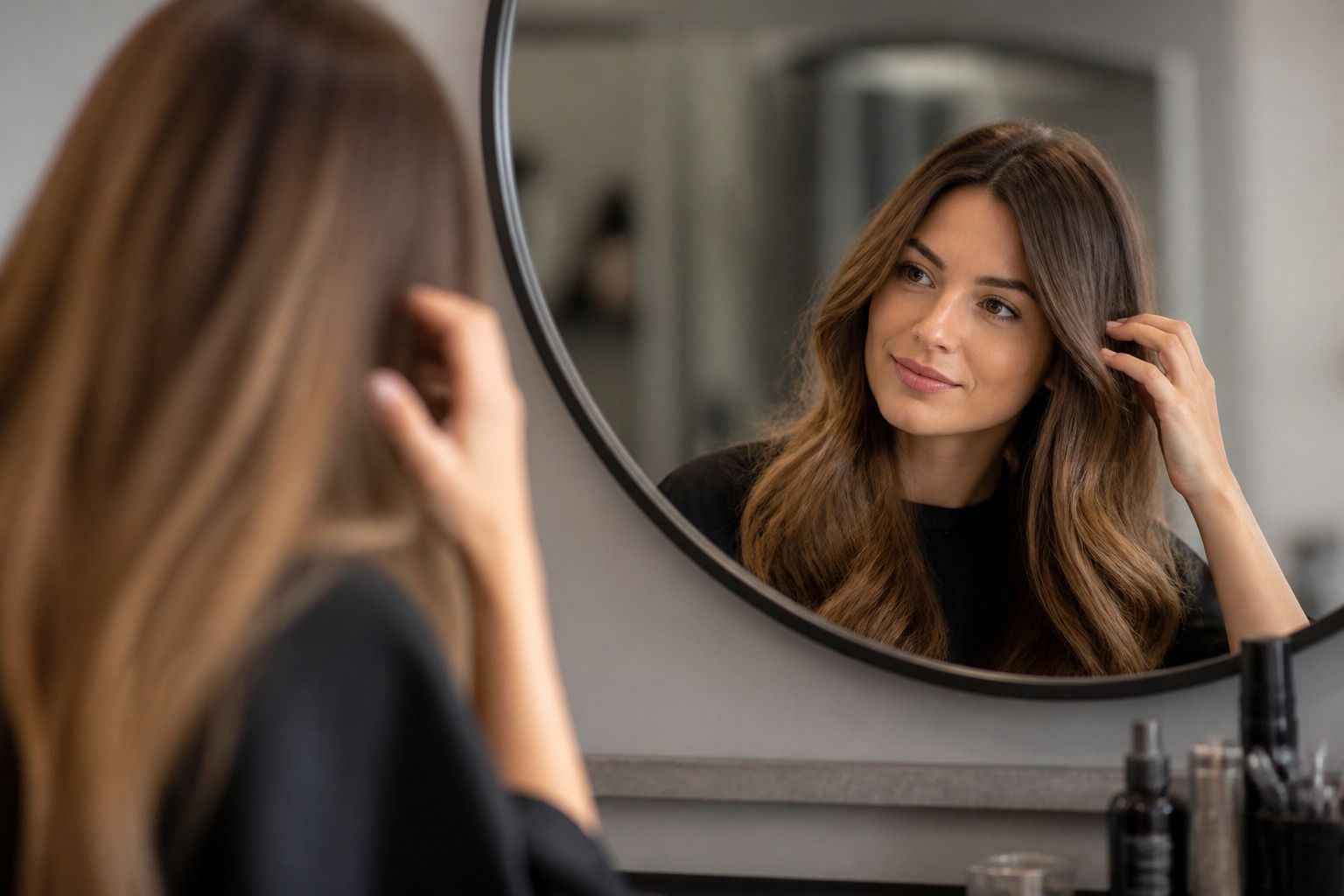
For brunette hair, the most wearable Cool Summer options usually have names like ash brown, smoky brown, mushroom brown, cool mocha, or soft espresso. The word mocha can be misleading, because some salon formulas lean warm and chocolatey. Ask for a cool-neutral result rather than a red-brown result, and look at swatches away from yellow salon bulbs if possible. A brunette shade should not flash copper at the crown after two washes. If it does, the formula or maintenance plan is fighting your palette.
For blonde hair, the sweet spot is often dark blonde, beige ash blonde, pearl dark blonde, or mushroom blonde. Platinum can work on some Cool Summers, especially if their natural contrast is higher within the season, but it is rarely the lowest-maintenance choice. A slightly rooted blonde with soft, smoky ribbons is usually kinder than one pale solid sheet of color. The root gives the face an anchor, while the cool blonde keeps the overall impression fresh.
Soft black belongs in the conversation, but carefully. A Cool Summer who naturally has deep ash-brown hair may look elegant with a softened black-brown, especially when the finish is not glossy blue-black. Someone with fair brows and light eyes may find the same shade too theatrical. If you want to go darker, test with a demi-permanent gloss or a deep cool brunette first. It is easier to add depth than to remove a hard, opaque dark color that suddenly makes every bit of redness in the skin more obvious.
How to avoid gray, dull, or tired-looking hair
The awkward side of cool hair color is that it can become technically correct and visually lifeless. This happens when every trace of warmth is cancelled, the hair has no dimension, or the tone is darker than the person can comfortably carry. Cool Summer hair should look soft, not dusty. There is a difference between muted and muddy. A good colorist will usually leave a controlled neutral base, then cool the visible warmth without stripping the hair of movement.
One practical test is the white-shirt test. Stand near a window in a plain white or cool gray top and look at the skin under the eyes, around the mouth, and at the jaw. If the hair makes shadows look heavier, the color may be too dark or too ashy. If the skin suddenly looks blotchy, the hair may still be too warm or coppery. If the eyes look clearer and the face feels calmer without extra makeup, you are closer to the right Cool Summer hair color.
Dimension also matters. Fine babylights, smoky lowlights, or a gentle root melt can keep the shade from reading as one heavy block. The pieces should stay close in value, though. High-contrast stripes are more Winter than Summer. For a Cool Summer, the prettiest highlights often look like soft shifts in light rather than obvious separate colors.
Maintenance is mostly about brass control
Cool summer hair colours rarely stay balanced by accident. Sun, heat tools, mineral-heavy water, and old dye can all reveal yellow, orange, or red undertones. Blonde hair may need a violet or blue-violet shampoo, but not every wash. Brunette hair often needs a blue-based or green-blue gloss when orange warmth starts showing through. The exact toner depends on what warmth appears, not on the seasonal label alone.
The safest maintenance rhythm is gentle and observable. Use a color-safe shampoo, keep heat protection non-negotiable, and check the tone every few weeks in daylight. If the blonde starts looking yellow, a short violet treatment may be enough. If brown hair turns rusty, a salon gloss may be cleaner than layering more permanent dye. When the ends become porous, they can grab toner faster than the roots, which is how a pretty mushroom shade turns smoky at the top and murky at the bottom.
Bring clear language to the salon: cool-neutral, muted, low contrast, no copper, no golden blonde, no blue-black unless that is genuinely the plan. Photos help, but they need to be filtered through your own depth and contrast. A celebrity with Cool Summer-looking hair may have different brows, makeup, lighting, and maintenance. The best reference is often a shade that looks almost quiet in the photo, because quiet is where this palette becomes expensive-looking rather than washed out.
Choosing the final shade without overcorrecting
If you are choosing between two shades, the softer one is usually the better first move. Try cool medium brown before soft black, dark mushroom blonde before pale ash blonde, and smoky beige highlights before a full head of icy pieces. Cool Summer beauty often falls apart when the correction becomes too literal. The hair does not need to announce that it is cool. It needs to stop fighting the natural coolness already present in the face.
That is why the best Cool Summer hair color often looks understated on the swatch and quietly convincing in real life. It supports low contrast, keeps warmth controlled, and gives the face enough softness to breathe. Whether you land on ash brown, mushroom blonde, smoky brunette, or a softened black-brown, the deciding question is simple: does the shade make your features look clearer without asking your makeup to work harder? If it does, the color is probably doing its job.